- ads -
If you have spent any amount of time in a gaming subreddit or a Discord server, you know the drill. Mention mobile gaming, and the “real gamers” will come out of the woodwork.
They talk about “predatory microtransactions,” “clunky touch controls,” and the lack of “deep experiences.” To many console and PC purists, mobile gaming is just a distraction for people in waiting rooms.
- ads -
But here is the reality: the gap between your PS5 and the phone in your pocket is shrinking faster than most people realize. The misconceptions are holding back a huge part of the community.
The “Casual Only” Myth Is Dead
One of the biggest things console gamers get wrong is the idea that mobile games are all just clones of Candy Crush or Flappy Bird. That might have been true in 2012, but the landscape has shifted.
- ads -
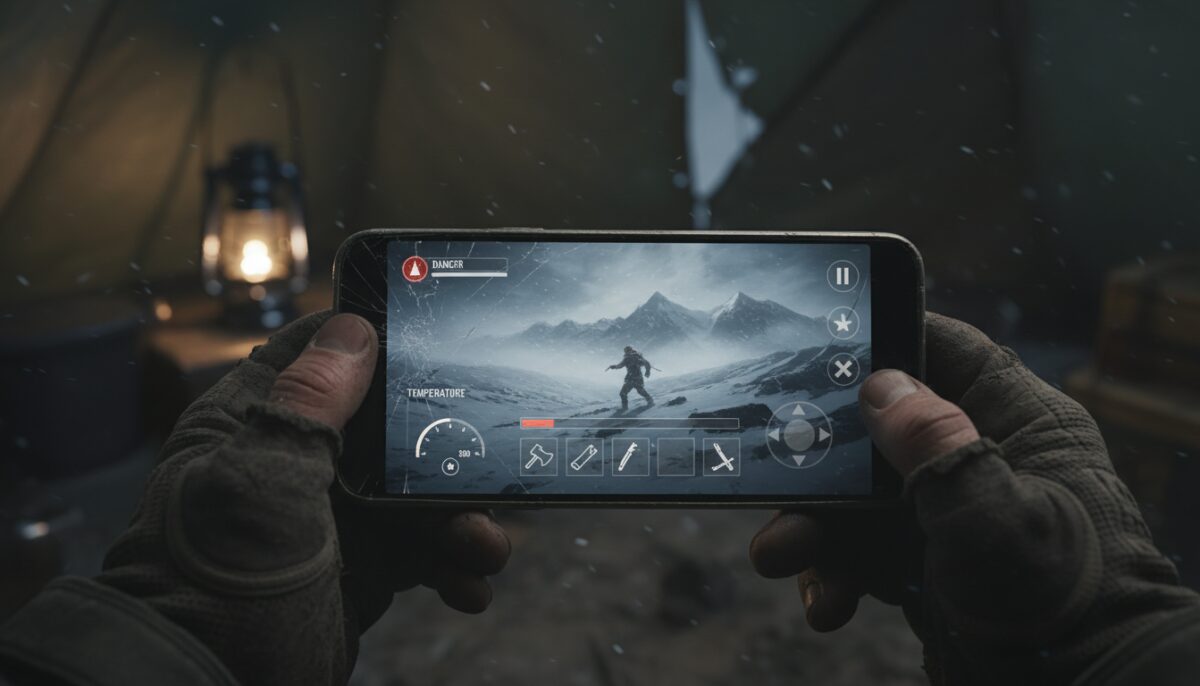
Today, we are seeing high-fidelity, complex titles that require just as much skill and dedication as any competitive shooter on a console. Games like Genshin Impact or PUBG Mobile aren’t just “lite” versions.
In many cases, these games offer more frequent content updates and deeper social systems than their “premium” counterparts on home consoles. The scale is simply massive.
Hardcore Mechanics on a Small Screen
Take a look at the competitive scene. Mobile esports like Honor of Kings or Free Fire draw in millions of viewers and offer prize pools that rival the biggest PC tournaments in the world.
The mechanical skill required to play these at a high level is insane. If you think touch controls are “easy mode,” try playing a five-finger claw grip in a high-ranked Call of Duty: Mobile match.
It is not about the device; it is about the competitive spirit and the complexity of the meta. Mobile gamers are just as “hardcore” as anyone sitting in a $500 racing chair.
The Microtransaction Stigma
“Mobile games are just pay-to-win trash.” This is the battle cry of the console elitist. While the App Store definitely has its share of “whale-bait,” let’s look at the mirror.
Console gaming has been infested with loot boxes, battle passes, and $70 entry fees plus DLC for years. The monetization models console gamers hate actually started migrating from mobile to console.
However, many mobile games have perfected the “fair” Free-to-Play model. You can play thousands of hours of League of Legends: Wild Rift without ever spending a single penny on stats.
- Cosmetic-only monetization: Many top-tier mobile games only charge for skins, keeping the playing field level.
- Accessibility: A free-to-play model allows players in developing nations to join the global gaming community.
- Live Service Excellence: Mobile developers are masters at keeping a game fresh for years through constant tweaks.
The Hardware Argument is Fading
Console gamers love to talk about teraflops and ray tracing. They assume that because a phone fits in a pocket, it cannot possibly deliver a AAA experience. They are wrong.
With the latest chips from Apple and Qualcomm, phones are now capable of hardware-accelerated ray tracing. We are seeing native ports of Resident Evil Village and Death Stranding on iPhones.
When you can play a literal console game on your phone with a Bluetooth controller, the “it’s just a phone” argument completely falls apart. It is a handheld console that also happens to make calls.
The Rise of Hybrid Gaming
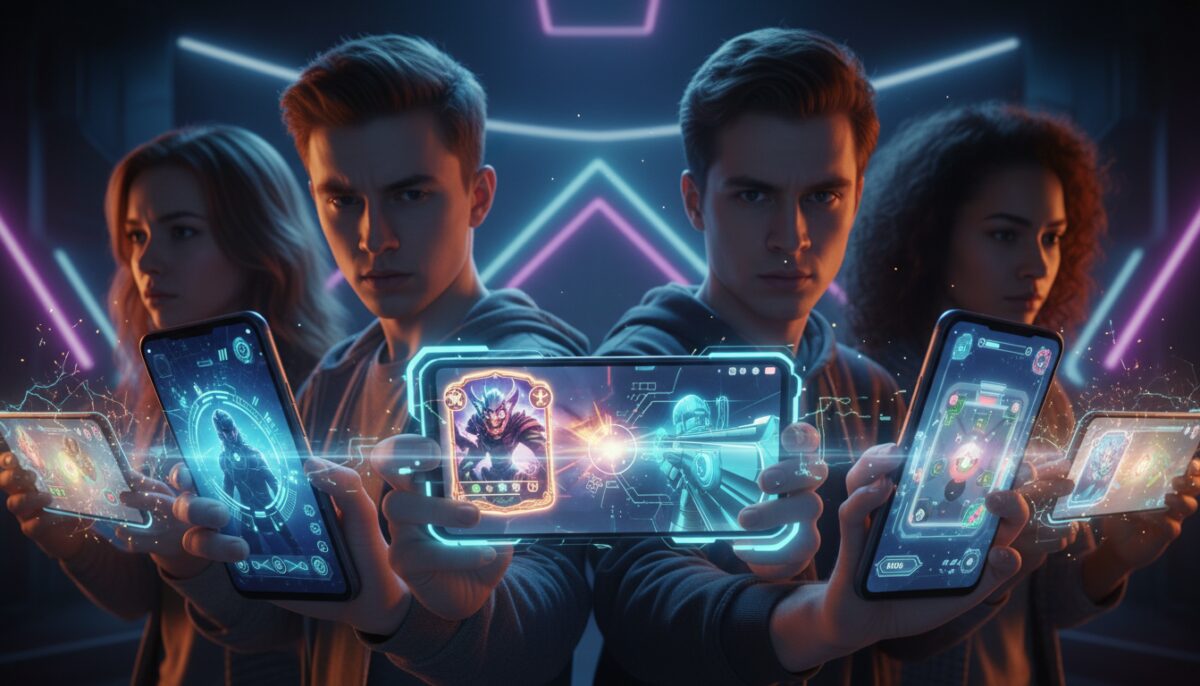
We are entering the era of cross-platform play. Games like Fortnite, Roblox, and Among Us don’t care what hardware you are using. The community is unified.
If you are a console gamer refusing to play a mobile-first title, you are essentially cutting yourself off from the largest gaming communities on the planet. You’re missing out on the conversation.
Pros and Cons: The Reality Check
To understand why this matters, we need to look at what mobile gaming actually offers versus the traditional console experience. It’s not about which is better, but what they provide.
Pros of Mobile Gaming
- Portability: You have your entire library with you at all times, from the bus to the breakroom.
- Lower Barrier to Entry: Most people already own a smartphone. You don’t need to drop $500 on a dedicated box.
- Innovation in UI: Touchscreens have led to unique gameplay mechanics that simply don’t work with a joystick.
- Social Connectivity: Mobile games are built with social sharing and quick communication at their core.
Cons of Mobile Gaming
- Battery Drain: High-end gaming eats through battery life, often requiring a power bank for long sessions.
- Thermal Throttling: Phones don’t have the massive cooling fans found in a PS5 or a PC.
- Store Clutter: The App Store and Play Store are flooded with low-quality clones, making discovery difficult.
Why This Misconception Actually Matters
You might ask, “Why does it matter if console gamers look down on mobile?” It matters because industry investment follows the players and the revenue.
Mobile gaming generates more revenue than the console and PC markets combined. When “core” gamers ignore this, they lose their voice in how the industry evolves.
If we want better mobile games with fewer predatory mechanics, we need the “hardcore” audience to engage with the platform and demand higher standards, rather than just walking away.
The Death of the “Gamer” Label
The elitism creates a divide that shouldn’t exist. A person who spends four hours a day on Genshin Impact is just as much a gamer as someone playing God of War.
By dismissing mobile, console gamers are gatekeeping a hobby that should be inclusive. This elitism often has cultural and economic undertones that are worth examining.
The Control Argument: Touch vs. Controller
“I can’t play without buttons.” This is a valid personal preference, but it is often used as a objective criticism of the platform. It’s time to move past this.
First, almost every major mobile game now supports Xbox and PlayStation controllers via Bluetooth. You can clip your phone to a controller and have a “console” experience anywhere.
Second, touch controls have evolved. Haptic feedback and customizable layouts allow for a level of precision that many console gamers would find surprising if they gave it a chance.
The Innovation Argument
Because the mobile market is so competitive, developers are forced to innovate. We see experimental genres on mobile that would never get funded for a $70 console release.
Location-based gaming (like Pokémon GO) and Augmented Reality (AR) titles found their home on mobile. These are experiences that a stationary console simply cannot provide.
When console gamers dismiss the platform, they are dismissing the R&D lab of the entire gaming industry. Many features you love on console were tested on mobile first.
The Power of the “Pick Up and Play”
Console gaming requires a ritual. You have to sit down, turn on the TV, wait for updates, and commit a block of time. Mobile gaming respects the player’s time.
The ability to make meaningful progress in a game during a 10-minute commute is a design triumph, not a weakness. It’s efficiency in storytelling and gameplay.
Breaking the Pattern
So, how do we fix this? It starts with console gamers actually trying the high-quality titles available. It means looking past the “Top Grossing” charts and finding the gems.
There are incredible indie experiences like Monument Valley, Florence, and Sayonara Wild Hearts that shine on mobile. These are artistic masterpieces by any definition.
When we stop judging a game by the screen size, we open ourselves up to a world of creativity that is currently exploding. The “mobile gamer” is just a “gamer.”
Conclusion: A Unified Future
The future of gaming isn’t tied to a plastic box under your TV. It is platform-agnostic. Cloud gaming is making this even more apparent, as you can stream Cyberpunk 2077 to your phone.
Console gamers need to realize that their “territory” is being redefined. Embracing mobile doesn’t mean giving up the console; it means expanding the ways we can enjoy our favorite hobby.
It matters because as long as we keep mobile gaming in a “lesser” category, we allow bad actors in the industry to exploit that separation. It is time to unite the player base.
Next time you see someone intense on their phone, don’t assume they are just scrolling through social media. They might be in the middle of a high-stakes raid or a tactical battle.
Respect the play, regardless of the device. Because at the end of the day, we are all just looking for that same hit of dopamine and a great story. Gaming is gaming.