- ads -
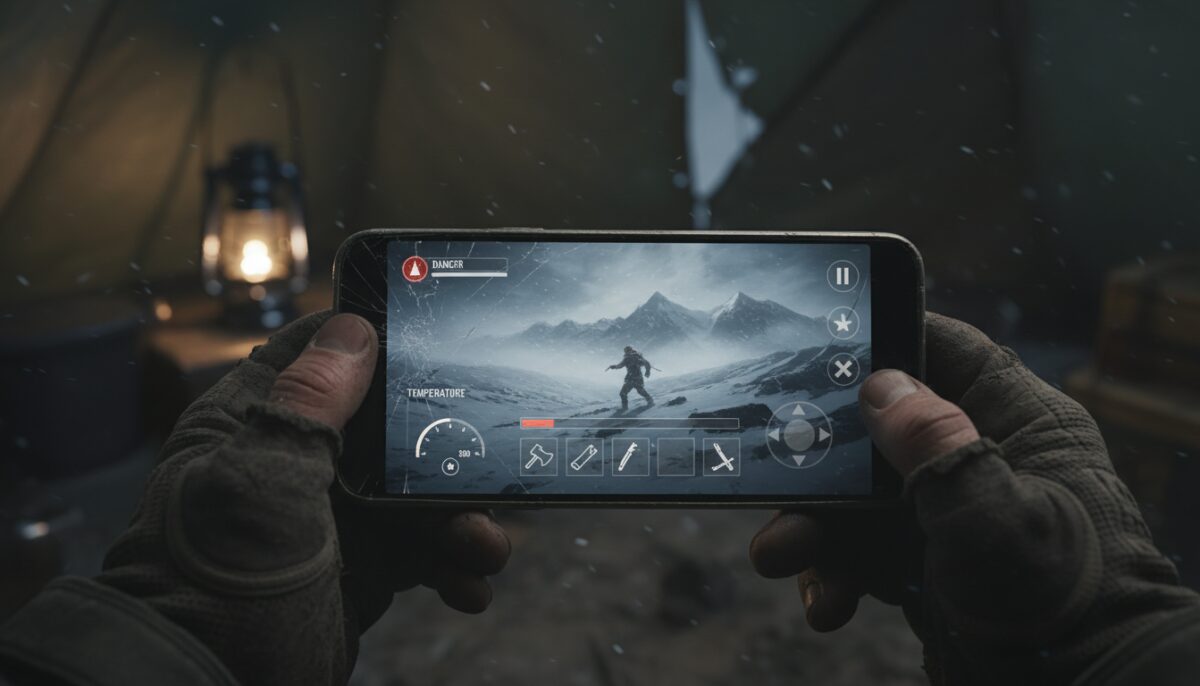
Remember the days when you had to drop five hundred dollars on a bulky plastic box just to play the latest blockbuster titles? Those days are fading faster than a low-battery notification. We are living in a wild era where the device in your pocket is no longer just for scrolling social media or sending memes.
Cloud gaming is fundamentally shifting the landscape of interactive entertainment. It is the Netflix moment for the gaming industry, and it is turning our smartphones into high-end gaming rigs. No downloads, no expensive hardware, just pure play.
- ads -
As a mobile games expert, I’ve watched this technology evolve from a laggy mess into a legitimate competitor for traditional consoles. If you have a decent internet connection, your phone might just be the only console you ever need again.
What Exactly is Cloud Gaming?
At its core, cloud gaming—often called gaming on demand—is a service that runs games on distant servers and streams them directly to your device. Think of it like a video call, but you’re controlling the person on the other end of the line.
- ads -
When you press a button on your screen or controller, that signal travels to a massive data center filled with powerful GPUs. The server processes the action and sends the video frame back to your phone in milliseconds.
This means the heavy lifting isn’t done by your phone’s processor. Whether you have the latest flagship or a mid-range device from three years ago, the game looks and plays the same because the power is in the cloud.
The Death of the Hardware Cycle
Traditionally, gaming has been defined by “generations.” Every six or seven years, Sony and Microsoft release new consoles, and you’re forced to upgrade or get left behind. It’s an expensive cycle that creates a barrier to entry for many people.
Cloud gaming breaks this cycle. Because the hardware is managed by companies like Microsoft, NVIDIA, and Google, they handle the upgrades on their end. When they swap out their servers for better tech, your mobile gaming experience automatically improves.
You no longer need to worry about whether your phone has enough RAM or a fast enough chip to run a game like *Cyberpunk 2077*. If the cloud server can run it, your phone can show it. This democratizes high-end gaming like never before.
The Major Players in the Space
Several giants are fighting for the crown of the “Netflix of Games.” Each offers a slightly different approach to how you access your library on mobile.
Xbox Cloud Gaming (Project xCloud)
Part of the Xbox Game Pass Ultimate subscription, this is perhaps the most user-friendly option. It gives you access to hundreds of titles, including day-one releases from Xbox Game Studios, directly on your Android or iOS device.
NVIDIA GeForce NOW
Unlike Xbox, GeForce NOW lets you stream games you already own on stores like Steam or Epic Games Store. It’s essentially a high-end PC in the cloud. If you want the absolute best graphical fidelity, including Ray Tracing, this is the one.
Amazon Luna
Amazon’s entry into the market uses “channels” to organize content. It integrates heavily with Twitch, allowing you to jump from watching a stream to playing the game yourself on your phone in seconds.
Pros and Cons of Mobile Cloud Gaming
Before you toss your console out the window, it’s important to weigh the benefits against the current limitations of the technology.
The Pros
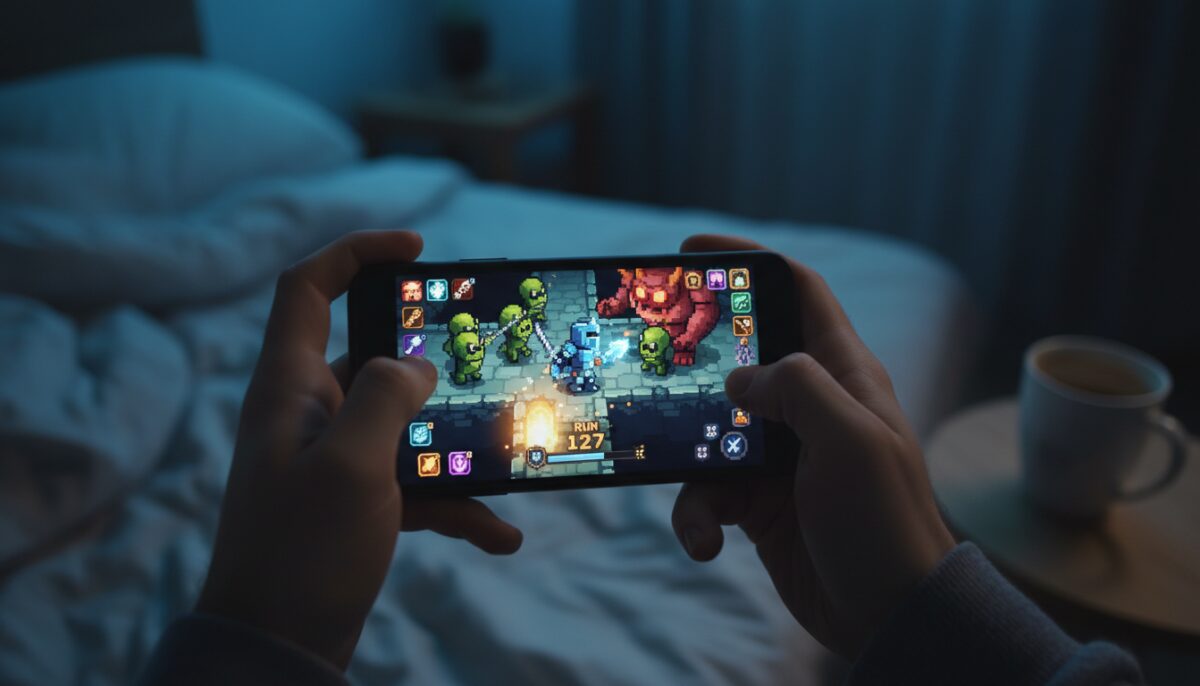
- Portability: Play AAA titles on the bus, in bed, or at a coffee shop.
- Storage Savings: Modern games take up 100GB+. With the cloud, they take up 0GB on your phone.
- Instant Play: No more waiting for 4-hour downloads or massive patches. Just click and play.
- Cross-Platform Progression: Start a game on your PC and pick up exactly where you left off on your phone.
- Lower Entry Cost: No need to spend $500 on a console; just use the phone you already own.
The Cons
- Internet Dependency: You need a stable, fast connection (at least 15-25 Mbps) for a good experience.
- Latency (Lag): Even the best cloud services have a tiny bit of delay compared to local hardware.
- Data Consumption: Streaming games eats through mobile data plans very quickly.
- Library Ownership: If a service shuts down or a license expires, you might lose access to certain games.
The 5G Revolution: The Missing Link
The biggest hurdle for cloud gaming has always been latency. In a fast-paced shooter, a half-second delay between pressing “fire” and seeing the bullet leave the gun is the difference between winning and losing.
This is where 5G comes in. With its massive bandwidth and ultra-low latency, 5G is designed for exactly this kind of data-heavy, real-time interaction. It makes playing “on the go” feel as smooth as playing on a wired connection at home.
As 5G coverage expands globally, the “mobile” part of mobile gaming becomes much more viable. We are moving away from being tethered to home Wi-Fi and toward a world where the entire planet is your gaming room.
The Hardware You Actually Need
While you don’t need a powerful phone, you do need a few accessories to make the experience comfortable. Playing a game designed for a 50-inch TV on a 6-inch screen with touch controls is… challenging, to say the least.
Most experts recommend a mobile controller wrapper like the Backbone One or the Razer Kishi. These devices snap onto your phone, giving it the feel of a Nintendo Switch or a handheld console.
Alternatively, you can use a standard Xbox or PlayStation controller via Bluetooth and a simple phone clip. This setup gives you the precision needed for competitive games while keeping the setup portable.
Impact on the Mobile Gaming Industry
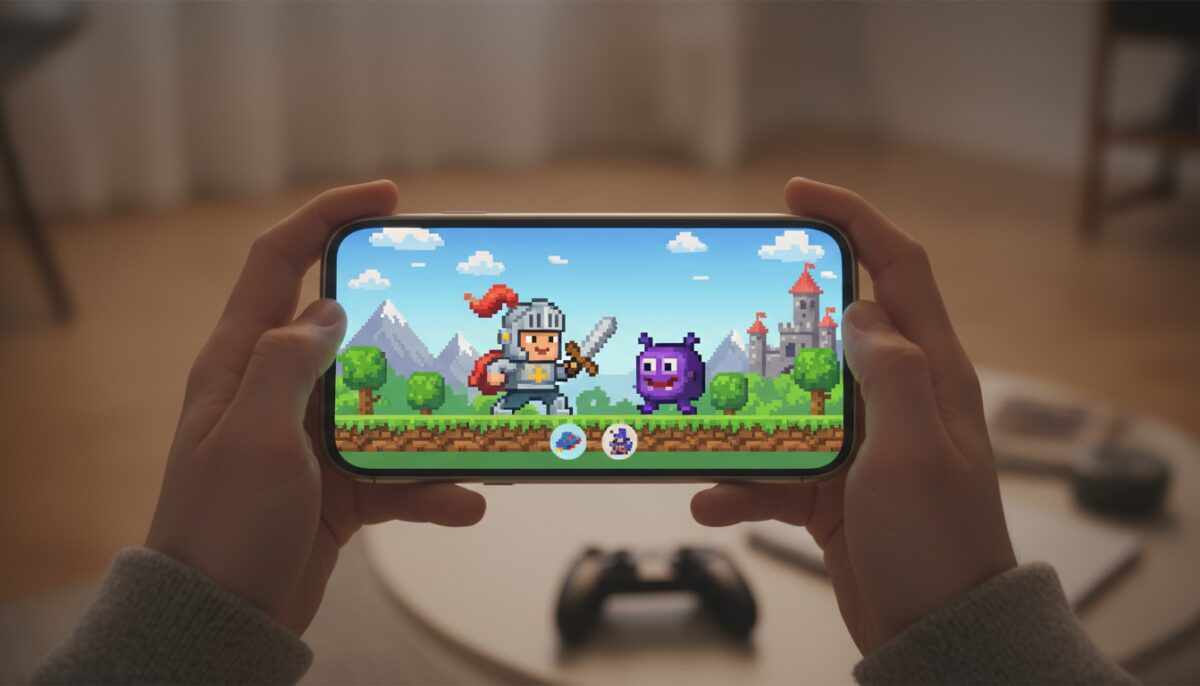
For a long time, “mobile games” meant casual titles like *Candy Crush* or *Subway Surfers*. They were designed for short bursts and had limited graphical depth due to hardware constraints.
Cloud gaming is erasing the line between “mobile” and “core” gaming. Now, you can play *Elden Ring* or *Halo Infinite* on the same device you use for Instagram. This is forcing developers to rethink how they design interfaces and controls.
We are seeing more “hybrid” designs where games feature dynamic UI that scales based on screen size, ensuring that text is readable on a phone without cluttering the beautiful vistas of a high-end game.
The Social and Cultural Shift
Gaming has always been a social activity, but cloud gaming takes it to another level. Because the game is already in the cloud, sharing your gameplay or inviting a friend to join is instantaneous.
Imagine scrolling through a social feed, seeing a friend playing a game, and clicking a “Join” button that launches you directly into their session on your phone. No installs, no friction. Frictionless gaming is the ultimate goal.
This also opens up gaming to a much wider audience. People who wouldn’t consider themselves “gamers” because they don’t own a console are now finding themselves playing high-quality titles simply because they are accessible on their phones.
Is Local Hardware Dead?
It’s unlikely that consoles and PCs will vanish entirely in the next few years. Enthusiasts will always want the absolute zero latency and highest possible resolution that only local hardware can provide.
However, for the vast majority of players, the difference is becoming negligible. As cloud technology improves, the “good enough” threshold will be passed, and convenience will win over raw power every time.
Think about music. Audiophiles still buy vinyl and high-end DACs, but the rest of the world moved to Spotify because it’s convenient. Gaming is following that exact same trajectory.
Conclusion: Your Pocket is the Future
The dream of having a “console in your pocket” is no longer a sci-fi fantasy. It’s a reality that is being refined every single day. Between the expansion of 5G and the massive investment from tech giants, the barrier between mobile and console is crumbling.
If you haven’t tried a cloud gaming service on your phone yet, you’re missing out on the biggest revolution in gaming since the jump from 2D to 3D. Grab a controller, check your Wi-Fi, and see for yourself.
Your phone is already your camera, your GPS, and your computer. It’s time to let it be your primary game console, too. The future of gaming isn’t under your TV; it’s right in the palm of your hand.