- ads -
For decades, the image of a “hardcore gamer” involved someone hunched over a glowing monitor or sitting in front of a massive TV with a controller in hand. We thought the peak of the industry was defined by high-end GPUs and the latest PlayStation or Xbox releases.
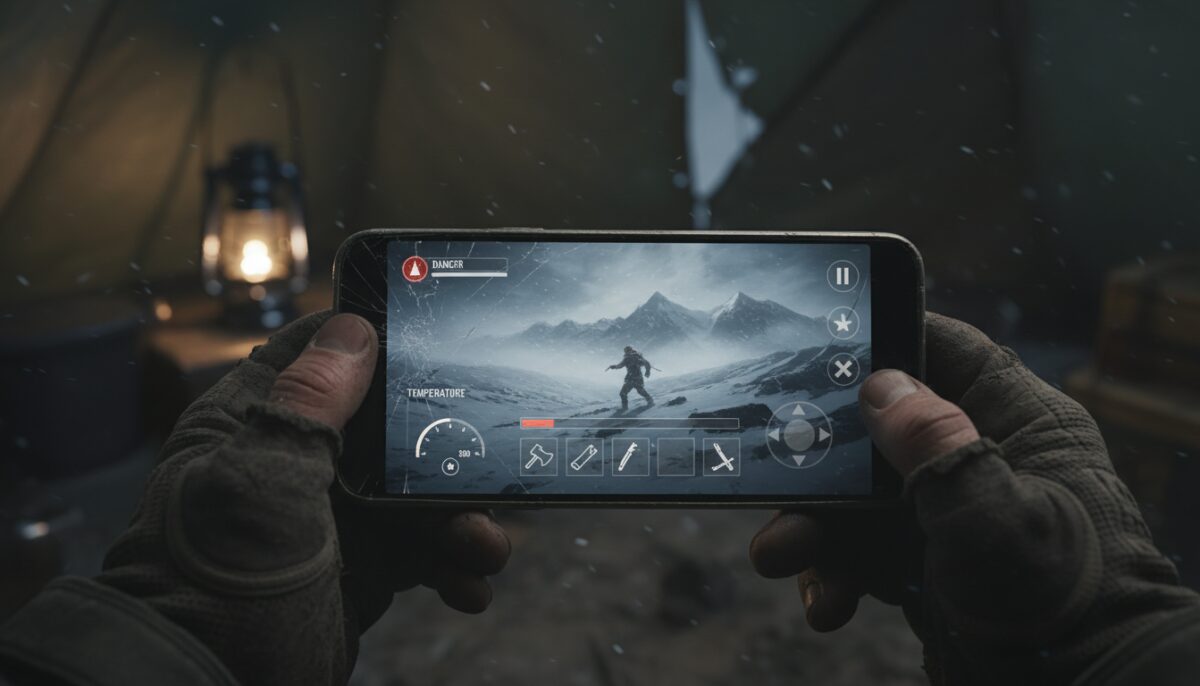
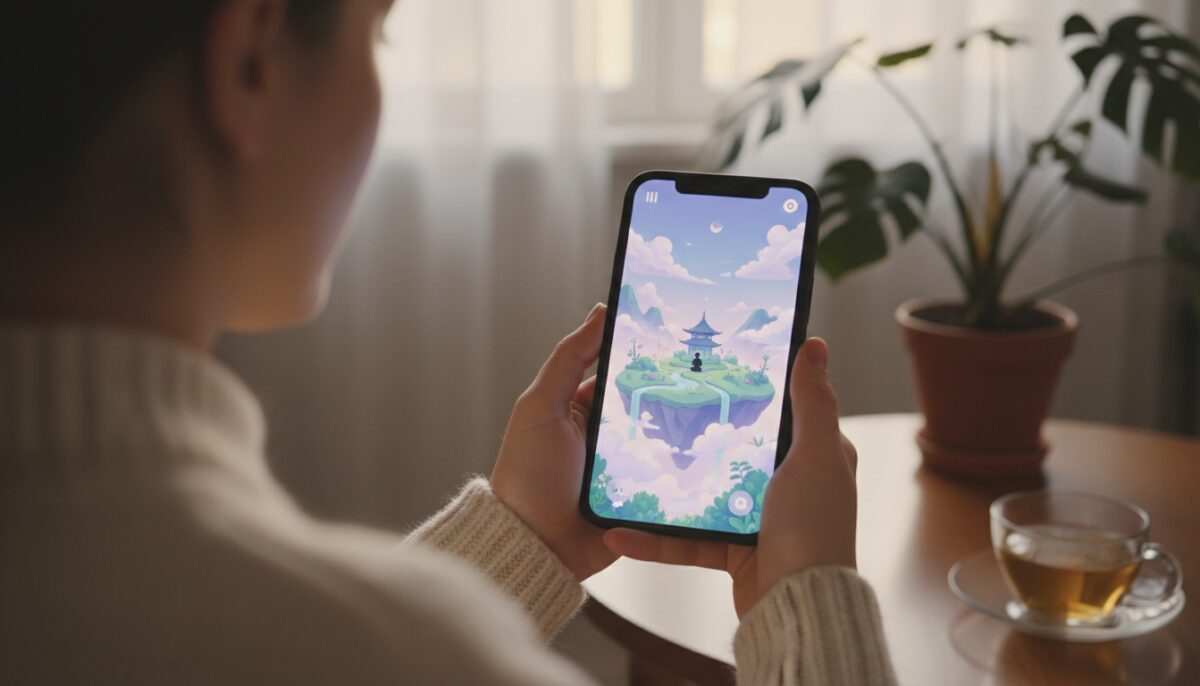
But while enthusiasts were arguing over frame rates and ray tracing, something massive happened in the background. The device currently sitting in your pocket—the one you use to check emails and scroll through social media—quietly took over the world.
- ads -
Today, mobile gaming generates more revenue than the PC and console markets combined. It isn’t even a close race anymore. We are talking about a global powerhouse that has fundamentally changed how games are made, sold, and played.
The Invisible Giant: Breaking Down the Numbers
If you look at the yearly financial reports from data firms like Newzoo, the numbers are staggering. Mobile gaming consistently accounts for over 50% of the total global games market. To put that in perspective, every single PC game and every single console title together make up the other half.
- ads -
Why don’t we hear more about this? It’s because mobile gaming is ubiquitous. It doesn’t rely on midnight launches at physical stores or massive hype cycles for $500 hardware. It’s just there, accessible to anyone with a smartphone.
There are currently over 3 billion smartphone users worldwide. Compare that to the roughly 100 million combined units of the latest console generation. The math is simple: the potential audience for a mobile game is thirty times larger than the audience for a high-end console title.
The Accessibility Factor: Gaming for Everyone
The primary driver of this growth is accessibility. To play the latest “AAA” title on PC, you need a machine that costs upwards of $1,000. To play on a console, you need the box, a subscription for online play, and the game itself.
Mobile gaming removes every single one of those barriers. Most people already own a smartphone for work or social life. The “entry fee” for gaming is essentially zero because the hardware is already a necessity of modern life.
Furthermore, the Free-to-Play (F2P) model has perfected the art of lowering the barrier to entry. You can download a world-class game like Genshin Impact or Call of Duty: Mobile without spending a single cent. This “try before you buy” (or never buy) approach has democratized gaming globally.
Why Mobile is Winning: The Key Drivers
It’s not just about the number of phones; it’s about how the games are designed to fit into our lives. Here are the main reasons why mobile is dominating the financial charts:
- Micro-moments: Mobile games are designed to be played in 5-minute bursts. Whether you are on a bus, in a waiting room, or on a lunch break, the game is ready.
- Constant Updates: Unlike traditional games that might get a sequel in five years, mobile games are “Live Services.” They receive weekly updates, new characters, and fresh events to keep players engaged.
- Global Reach: In countries like India, Brazil, and Southeast Asia, the smartphone is the primary—and often only—gaming device. These emerging markets are driving millions of new players into the ecosystem.
- Social Integration: Mobile games lean heavily into social features. Inviting a friend via a WhatsApp link or sharing a high score on Instagram is seamless, creating a viral loop that PC and console struggle to replicate.
The Power of the ‘Whale’ Economy
We can’t talk about mobile revenue without mentioning monetization. While the average player might spend $0, a small percentage of players—often called “whales”—spend thousands of dollars on in-game items, skins, and progression boosters.
This model is incredibly lucrative. A single successful mobile game can generate more profit in a month than a blockbuster console game makes in its entire lifetime. The recurring revenue from battle passes and gacha mechanics provides a steady stream of income that traditional “one-and-done” sales cannot match.
Pros and Cons of the Mobile Gaming Revolution
Like any major industry shift, the rise of mobile gaming brings both positive innovations and controversial challenges. Let’s look at the trade-offs.
Pros
- Innovation in Simplicity: Developers have had to get creative with touch controls, leading to unique genres like “Endless Runners” or “Physics Puzzlers.”
- Extreme Portability: You have a library of thousands of games in your pocket at all times.
- Lower Development Costs: While top-tier mobile games are expensive, indie developers can still find success on the App Store with much smaller budgets than a console title.
- Inclusivity: Mobile gaming has brought more women and older adults into the gaming world than any other platform in history.
Cons
- Predatory Monetization: Some games use psychological tactics to encourage spending, which can be problematic for younger or vulnerable players.
- Hardware Limitations: Despite how fast chips are getting, phones still struggle with thermal throttling and battery life during intense gaming sessions.
- Cluttered Market: The App Store and Play Store are flooded with “clones” and low-quality software, making it hard for high-quality games to get noticed.
- Control Constraints: Touchscreens are great for puzzles but often lack the precision required for competitive shooters or complex action games.
The “Core” Game Shift: Mobile is Getting Serious
For a long time, mobile games were dismissed as “casual.” People thought of Candy Crush or Angry Birds. But the landscape has shifted. We are now seeing “Core” gaming experiences migrate to mobile with surprising success.
Take PUBG Mobile or Free Fire. These aren’t just simple time-wasters; they are deep, competitive battle royales that require skill, strategy, and teamwork. They have massive esports scenes with millions of dollars in prize pools.
Then there is Genshin Impact. This game changed everything. It proved that a massive, open-world RPG with console-quality graphics could run on a phone and satisfy both casual players and hardcore fans. It showed the industry that mobile players are willing to engage with deep narratives and complex mechanics.
The Technology Closing the Gap
One reason mobile is outselling everything else is that the hardware gap is narrowing. Modern smartphones now feature Ray Tracing capabilities and chips that rival some laptop processors. With the introduction of the A17 Pro and similar chips, we are seeing native ports of games like Resident Evil Village and Death Stranding on mobile.
Furthermore, Cloud Gaming is removing the hardware barrier entirely. Services like Xbox Cloud Gaming and Nvidia GeForce Now allow you to stream high-end PC games directly to your phone. This turns every smartphone into a portable Xbox or gaming PC.
The Cultural Impact: Gaming as a Lifestyle
In many parts of the world, gaming is no longer something you do in a basement; it’s something you do in the palm of your hand. In regions like Asia, “Mobile Cafes” are just as popular as PC bangs. Mobile gaming has become a social currency.
The rise of TikTok and YouTube Shorts has also fueled this. Mobile games are inherently “snackable,” making them perfect for viral clips. A 15-second clip of a lucky pull in a gacha game or a funny glitch in a mobile battle royale can reach millions instantly.
The Future: Where Do We Go From Here?
As we look forward, the line between mobile, console, and PC will continue to blur. We are entering the era of Cross-Platform Play. Games like Fortnite and Roblox have already proven that players don’t care what device their friends are on; they just want to play together.
Expect to see more “Triple-A” publishers shifting their focus. Companies like Riot Games, Blizzard, and EA are all moving their biggest franchises to mobile. They aren’t doing this because they’ve lost interest in PC/Console; they are doing it because that’s where the entire world is playing.
Conclusion: The Quiet Revolution is Over
Mobile gaming isn’t “quietly” outselling the competition anymore—it has become the competition. It is the dominant force in the entertainment industry, dwarfing not just other gaming platforms, but even the film and music industries combined in many metrics.
Whether you are a fan of the platform or a skeptic, there is no denying the impact. The accessibility, the constant evolution, and the sheer scale of the mobile market have redefined what it means to be a gamer in the 21st century.
So, the next time you see someone playing a game on their phone during their commute, remember: they aren’t just killing time. They are part of the biggest gaming community in human history, driving an industry that shows no signs of slowing down.
The future of gaming isn’t just in a box under your TV. It’s already in your hand.