- ads -
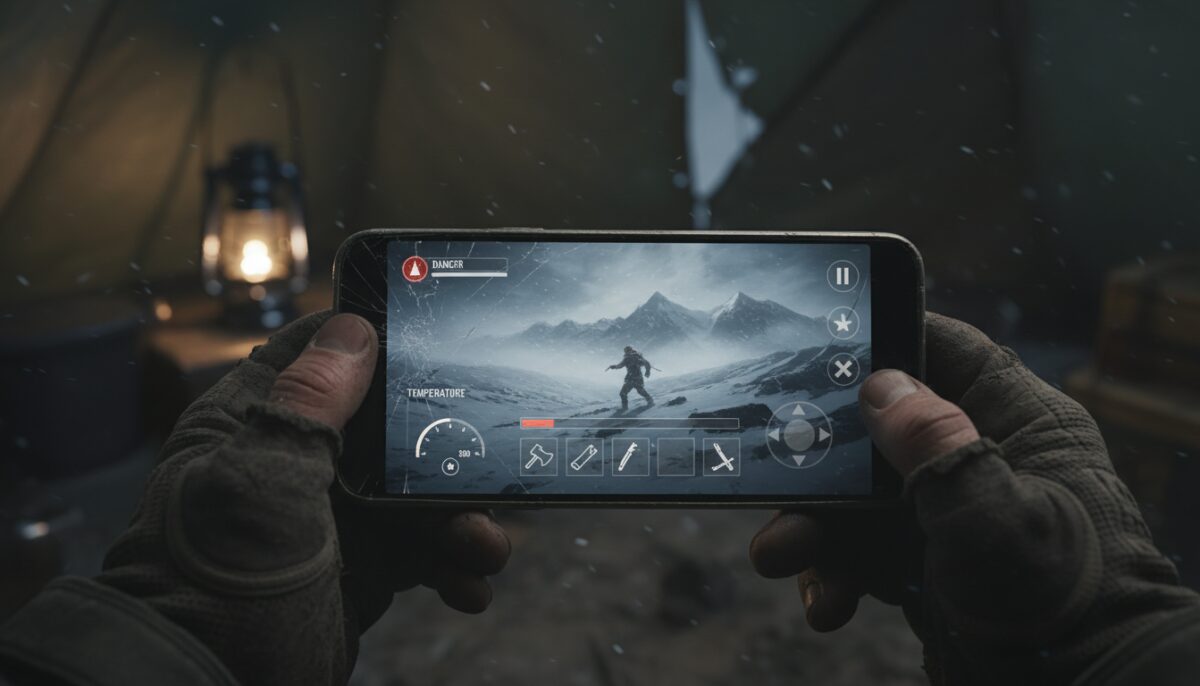
If you have picked up a smartphone in the last decade, you have likely felt that familiar, heart-pounding rush. You tap a button, a colorful animation plays, and for a split second, time stands still. Will it be a legendary hero or another pile of digital trash?
This is the world of gacha mechanics. What started as physical toy vending machines in Japan has evolved into a multi-billion dollar psychological powerhouse that has fundamentally changed how a whole generation interacts with games.
- ads -
We aren’t just playing games anymore; we are participating in a complex dance of probability, dopamine, and resource management. The “Gacha Generation” views gaming through a lens that would baffle a player from the 90s.
The Origins: From Plastic Capsules to Digital Waifus
To understand the rewiring, we have to look at where it started. The term “Gacha” comes from Gashapon, those machines where you insert a coin and get a random toy in a plastic egg. The “gacha” is the sound of the crank turning.
- ads -
In the early 2010s, Japanese mobile developers realized this “surprise” element could be digitized. Games like Puzzle & Dragons paved the way, proving that players were willing to pay for a chance at power rather than power itself.
This shifted the industry’s focus from selling a finished product to selling an ongoing service. Suddenly, the game wasn’t the goal; the collection was. And that collection is never truly finished.
The Dopamine Loop: Why Our Brains Can’t Resist
Gacha mechanics work because they exploit a psychological phenomenon called variable ratio reinforcement. This is the same logic that keeps people sitting at slot machines for hours on end.
If you knew exactly when you were going to win, the thrill would disappear. The uncertainty is what makes the “hit” so powerful. When that gold light flashes on the screen, your brain releases a massive wave of dopamine.
Over time, gamers have been conditioned to crave this cycle. We have moved away from valuing skill-based progression and started valuing the “luck of the draw.” For many, the highlight of a game isn’t beating the boss, but the “pull” that happened before the fight.
The Pity System: A Safety Net for the Soul
Modern gacha games like Genshin Impact or Honkai: Star Rail have introduced the Pity System. This guarantees a high-tier item after a certain number of failed attempts. It’s a brilliant piece of psychological engineering.
It removes the “total loss” feeling and replaces it with sunken cost fallacy. “I’m already 70 pulls in,” a player thinks. “If I stop now, I’ve wasted all that currency. I might as well spend five dollars to hit the pity.”
The Social Aspect: Flexing and Community Pressure
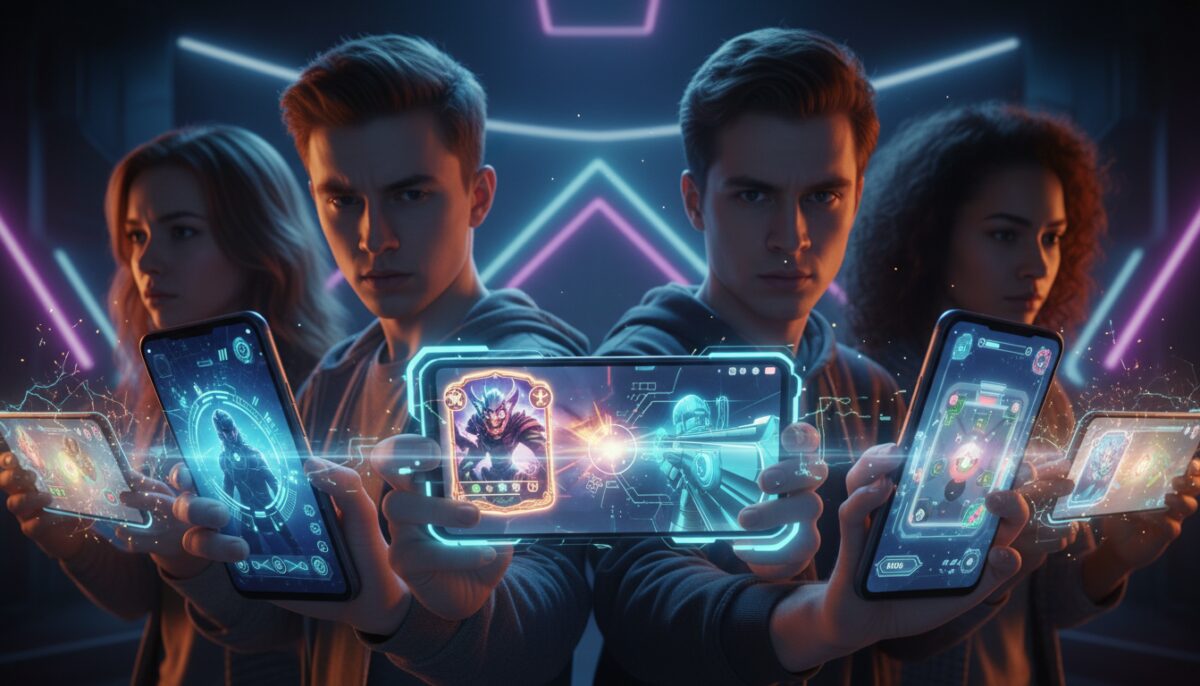
We can’t talk about gacha without talking about social media. Discord, Reddit, and TikTok are flooded with “pull videos.” This has created a culture of digital status symbols.
Owning a rare character isn’t just about gameplay stats; it’s about social capital. When a new “banner” drops, the community enters a collective frenzy. If you don’t have the new meta-defining unit, you feel left out of the conversation.
This “Fear Of Missing Out” (FOMO) is a primary driver for the modern gamer. Older generations played games to escape reality; this generation plays to stay relevant within their digital social circles.
Pros and Cons of the Gacha Model
While often criticized, the gacha model isn’t purely evil. It has allowed for some of the highest-quality gaming experiences to be delivered for “free.” Here is a breakdown of the impact:
- Pro: High Production Value – Massive profits allow developers to release constant updates, orchestral soundtracks, and AAA-quality graphics in free-to-play titles.
- Con: Predatory Monetization – The mechanics specifically target individuals with addictive personalities or “whales” who spend thousands of dollars.
- Pro: Accessibility – Anyone with a phone can play world-class games like Fate/Grand Order or Arknights without an upfront cost.
- Con: Power Creep – To keep people pulling, new characters must be stronger than old ones, often making older investments feel worthless over time.
- Pro: Longevity – These games are designed to last for years, providing a consistent hobby for players who enjoy long-term progression.
- Con: Time Gating – Mechanics like “Stamina” or “Resin” limit how much you can play, forcing a lifestyle of short, daily sessions rather than deep immersion.
The “Free-to-Play” Illusion
The Gacha Generation has a very different definition of “free.” To a 90s gamer, a game was a one-time purchase. To a modern mobile gamer, “free” is just the entry fee. The real cost is either your time or your wallet.
Developers have mastered the art of friction. They make certain parts of the game slightly annoying or slow, then offer a “solution” in the form of a gacha pull or a shop item. It’s a subtle shift from “paying for fun” to “paying to remove frustration.”
The Rise of the “Dailies”
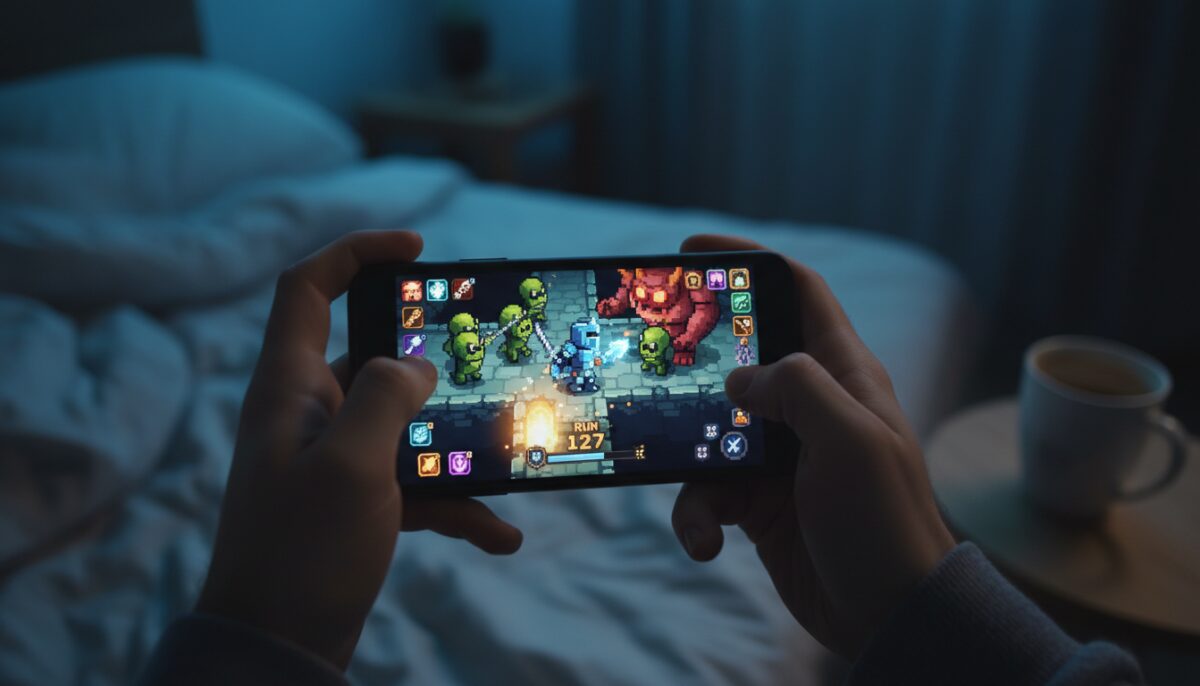
Gacha games have rewired our daily schedules. The concept of Daily Commissions or “Dailies” ensures that players log in every single day. This builds a habit that eventually becomes a routine, and finally, an obligation.
Gamers today often feel a sense of guilt for skipping a day. The “log-in streak” is a powerful psychological tether. This has turned gaming from a leisure activity into a secondary, unpaid job for many players.
Case Study: Genshin Impact and the Global Shift
Before 2020, gacha was largely seen as a “niche” Asian market trend. Then Genshin Impact arrived and shattered every glass ceiling. It proved that a gacha game could compete with the biggest console titles in the world.
By blending a massive open world with gacha mechanics, HoYoverse (formerly miHoYo) brought the “gambling” loop to the Western mainstream. It wasn’t just on phones anymore; it was on PlayStation and PC.
This success signaled to other developers that live-service gacha was the most profitable path forward. Now, we see elements of these mechanics creeping into traditional sports games, shooters, and even RPGs.
The Impact on Game Design Philosophy
Because the money is in the gacha, the game design itself has changed. Leveling up isn’t just about gaining XP anymore; it’s about gathering “ascension materials” that are often locked behind time-gated systems.
Everything is compartmentalized into currencies. You don’t just have gold; you have Primogems, Mora, Stardust, and Masterless Starglitter. This “currency obfuscation” makes it harder for the brain to track how much real money is actually being spent.
The Death of the “Unlockable”
Remember when you could unlock a secret character by beating the game on Hard mode? In the Gacha Generation, that concept is almost extinct. Secrets aren’t found through exploration; they are summoned through the gate.
This has changed the player’s relationship with the characters. We no longer “earn” our heroes; we “obtain” them. This leads to a different kind of attachment—one based on scarcity rather than achievement.
Is There a Way Back?
It is unlikely that the industry will ever fully move away from gacha. The revenue numbers are simply too high to ignore. However, we are seeing a push for more ethical gacha practices.
Governments around the world, particularly in Europe and China, are beginning to regulate these systems. Laws requiring disclosure of odds and spending caps for minors are becoming more common.
But the psychological rewiring is already done. A generation of gamers now expects constant updates, daily rewards, and the thrill of the pull. For them, a game that doesn’t change every two weeks feels “dead.”
Conclusion: The New Normal
Gacha mechanics have done more than just change how we pay for games; they have changed how we perceive value and progress. We have become a generation of “resource managers” and “luck-seekers.”
Whether this is a good or bad thing is still up for debate. On one hand, we have access to incredible, evolving worlds for free. On the other, the line between gaming and gambling has never been thinner.
The next time you see that bright flash of light on your screen, take a second to think. Are you playing the game, or is the game’s meticulously designed psychology playing you? Either way, the “Gacha Generation” is here to stay, one pull at a time.
As we move forward, the challenge for both players and developers will be finding a balance. We need games that respect our time and mental health while still providing the excitement and longevity that gacha mechanics clearly provide.
The crank is turning, the music is swelling, and the next banner is just around the corner. Good luck on your pulls—you’re going to need it.