- ads -
We’ve all been there. You’re scrolling through the app store, looking for something to kill ten minutes while you wait for the bus. You download a game with a colorful icon, hoping for a bit of fun.
Two minutes in, you’ve watched three 30-second ads for a gambling app. The gameplay is a repetitive loop designed to frustrate you into buying a “No Ads” pack. It feels hollow, mechanical, and frankly, insulting.
- ads -
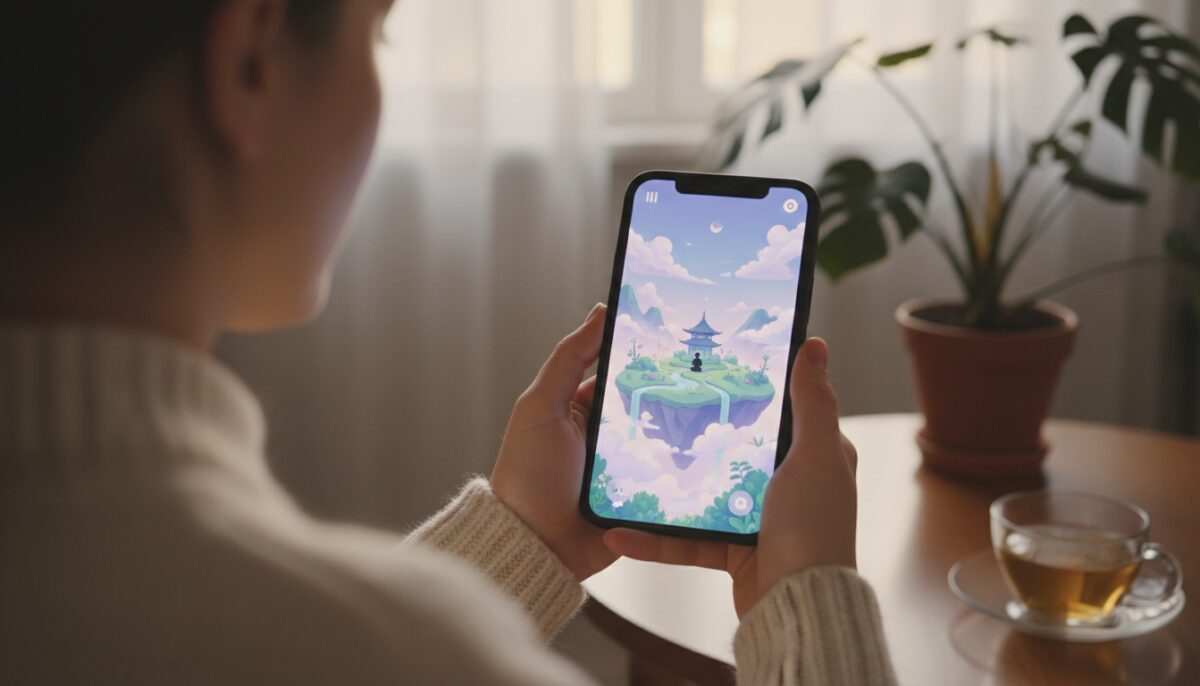
But then, there are those other moments. You open a game like Monument Valley or Sky: Children of the Light, and suddenly, the world around you fades away. The music swells, the visuals breathe, and you realize you aren’t just playing a product—you’re experiencing art.
As someone who lives and breathes mobile gaming, I’ve spent thousands of hours analyzing why some titles touch our souls while others just try to pick our pockets. Let’s dive into the thin line between digital masterpieces and interactive billboards.
- ads -
The Soul of the Machine: Defining ‘Art’ in Mobile Gaming
When we talk about art in games, we aren’t just talking about pretty graphics. Art is about intentionality. It’s the feeling that every pixel, every sound effect, and every mechanic was placed there to evoke a specific emotion.
Games that feel like art prioritize the player’s experience over the developer’s bottom line. They treat the mobile screen as a canvas rather than a slot machine display. They respect your time and your intelligence.
Think about Florence. It’s a short, interactive story about a woman’s first love. There are no high scores, no daily login bonuses, and no “energy” meters. It uses simple touch mechanics to mimic the feeling of a conversation or the pain of a breakup.
The Visual Language of Emotion
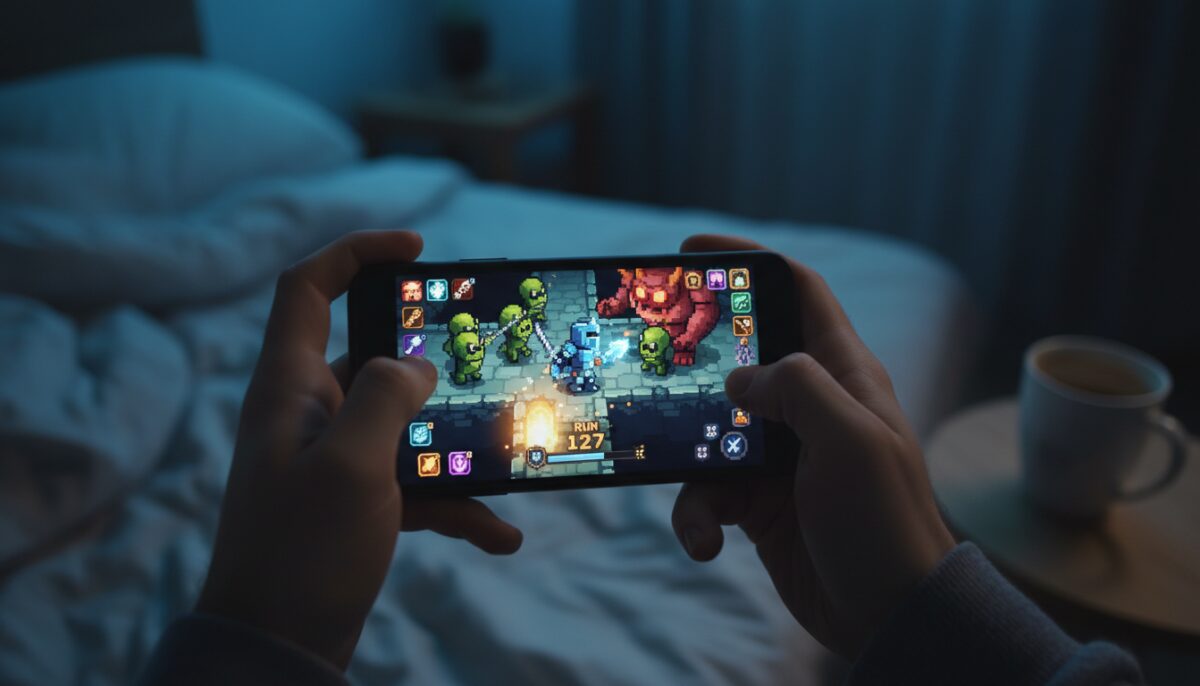
The first thing that separates art from ads is the visual identity. “Ad-games” (often called Hypercasual games) usually use generic, bright assets that look like they were bought from a store for $5. They are designed to grab attention quickly, like a neon sign.
Artistic games, however, have a distinctive style. Take GRIS, for example. The game looks like a watercolor painting coming to life. Every frame is a composition that could be framed on a wall. It uses color to tell a story of grief and recovery.
The Rise of the “Ad-First” Game
On the flip side, we have the games that feel like ads. These are often built using a “monetization-first” philosophy. The developers don’t start with a story or a fun mechanic; they start with a retention metric.
These games are designed to trigger dopamine hits through constant flashing lights and “Big Win” text. But as soon as the dopamine wears off, you realize there is no depth. The game is just a delivery system for interstitial video ads.
If a game asks you to watch a video to double your rewards every 60 seconds, it’s not a game anymore. It’s an endurance test for your patience. It’s a product that views the player as a data point rather than an audience member.
Key Differences: Art vs. Ads
To help you spot the difference before you hit that download button, here is a breakdown of what to look for:
- Artistic Games: Focus on atmosphere, narrative, and unique mechanics. They usually have a clear beginning and end.
- Ad-Games: Focus on endless loops, “forced” social sharing, and aggressive microtransactions.
- Artistic Games: Use sound design to immerse the player. Think of the haunting silence in Limbo.
- Ad-Games: Use repetitive, “catchy” music and loud sound effects to keep you stimulated.
- Artistic Games: Often come with a premium price tag or are part of curated services like Apple Arcade.
- Ad-Games: Are almost always “Free to Play” but come with hidden costs to your sanity.
The Monetization Dilemma: Can Art Be Free?
It’s unfair to say that every free-to-play game is just an ad. Some developers have mastered the art of ethical monetization. Games like Genshin Impact or League of Legends: Wild Rift offer incredibly high production values for free.
However, the “art” feeling starts to fade when the gameplay is intentionally slowed down to encourage spending. This is where “The Wall” comes in. If you hit a point where you cannot progress without paying or watching ads, the artistic illusion is shattered.
True artistic games integrate their monetization (if any) in a way that doesn’t break the immersion. They want you to stay in the world they created, not be yanked out of it by a pop-up for a discounted “Starter Pack.”
Pros and Cons of Artistic Mobile Games
While we love them, even artistic games have their trade-offs in the mobile market.
Pros:
- Emotional Resonance: You’ll remember the experience years later.
- No Interruptions: Most artistic games avoid mid-game ads.
- High Quality: Better sound, visuals, and polish.
- No FOMO: You don’t feel forced to play every single day to “keep up.”
Cons:
- Cost: Many require an upfront purchase.
- Short Length: Artistic experiences are often curated and short.
- Device Requirements: High-end visuals might not run on older phones.
Pros and Cons of “Ad-Style” Games
Believe it or not, these games exist for a reason, and some people genuinely enjoy the mindless distraction.
Pros:
- Zero Entry Barrier: They are free and easy to learn.
- Quick Hits: Perfect for a 30-second distraction.
- Low Commitment: You can delete them without feeling like you wasted money.
Cons:
- Privacy Concerns: Many track your data heavily for advertisers.
- Battery Drain: Constant ad-loading kills your battery.
- Lack of Depth: They often feel repetitive within minutes.
Case Study: Monument Valley vs. The Clones
Monument Valley is widely considered the gold standard of mobile art. It uses M.C. Escher-inspired geometry to create puzzles that are literally impossible in the real world. The story is told through the environment, and the pacing is meditative.
Now, look at the hundreds of clones on the App Store. They use the same pastel colors and isometric perspective, but the soul is missing. The puzzles aren’t clever; they are just obstacles placed between you and the next ad. This is the difference between inspiration and exploitation.
The Role of Sound and Music
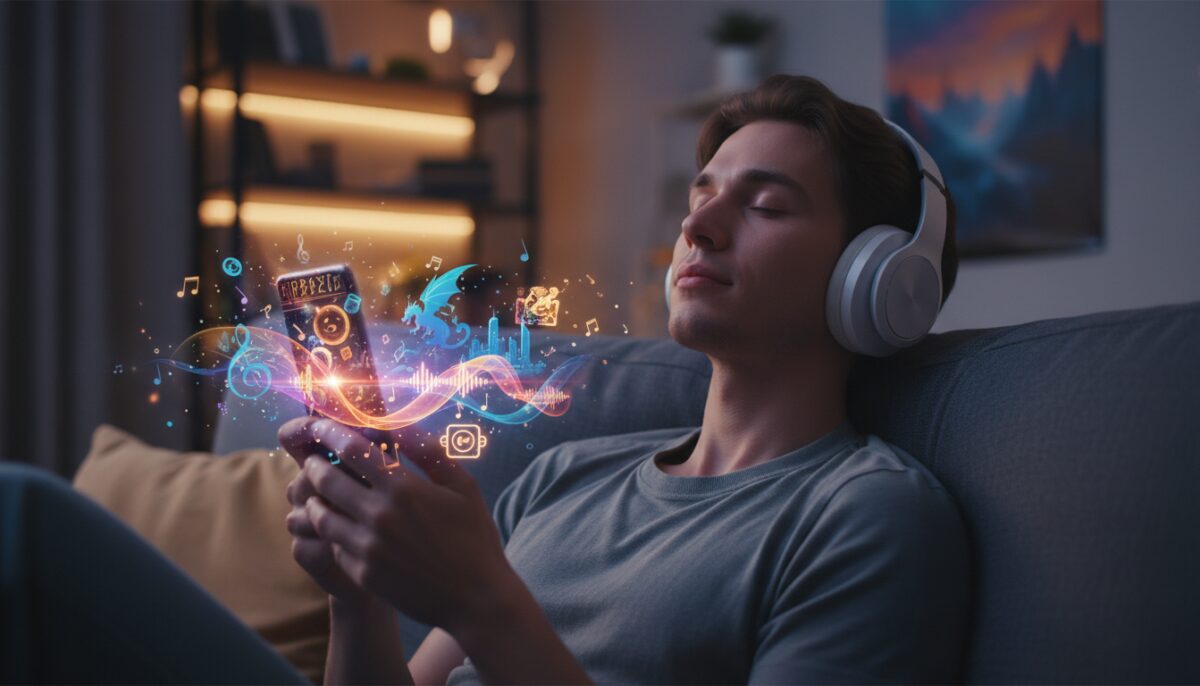
We often play mobile games on mute, but for artistic games, sound is 50% of the experience. In a game like Alto’s Adventure, the sound of the wind and the soft crunch of snow create a sense of peace.
In contrast, ad-heavy games use “casino sounds.” High-pitched dings, frantic music, and celebratory sirens are designed to trigger a physical response. It’s a psychological trick to make you feel like you’re winning, even when you’re doing nothing.
Why the “Ad-Game” Market is Winning (and why it matters)
The sad reality is that ad-heavy games make more money. They rely on “whales” (players who spend thousands) and “ad-farms” (players who watch hundreds of ads). This makes it harder for small, artistic studios to survive.
When a game feels like an ad, it’s because the market has dictated that attention is more valuable than engagement. If a developer can get you to watch ten ads before you delete the game, they’ve “won.”
How to Find the Art in the Crowd
If you’re tired of feeling like a walking wallet, you have to change how you shop for games. Don’t just look at the “Top Free” charts—those are almost exclusively dominated by ad-heavy titles.
Look for indie developers. Check out curated lists. Look for games that have won “Design Awards.” These are the titles where the developers took risks to create something beautiful.
The Power of Narrative
Games that feel like art usually have something to say. Even without words, a game like Journey (available on mobile) tells a profound story about life, death, and companionship. You don’t get that from a game where you pull pins to save a king from lava.
The Future: Is the “Art” Game Dying?
Actually, I’m optimistic. While the “ad-game” market is huge, there is a growing movement of players who are willing to pay for premium experiences. Services like Netflix Games are bringing ad-free, high-quality titles to mobile users at no extra cost.
We are seeing more ports of console masterpieces like Death Stranding or Resident Evil coming to mobile. This raises the bar for what we expect from our handheld devices.
Conclusion: Your Phone is a Gallery
At the end of the day, your phone is the most personal device you own. Why fill it with digital clutter? Why settle for games that treat you like a consumer instead of a player?
The next time you download a game, ask yourself: How does this make me feel? If the answer is “annoyed” or “bored but addicted,” hit delete. Seek out the games that make you stop and stare at the screen in wonder.
Mobile gaming has the potential to be the most intimate form of art. It’s right there in your pocket, waiting to take you to another world. Don’t let an ad for a match-three game get in the way of that.
Support the artists. Pay for the premium experiences. Let’s prove to the industry that we want creativity over clicks and beauty over banners.
Because when a mobile game hits that perfect balance of mechanics and meaning, it isn’t just a way to kill time. It’s a way to feel alive.